
What Are Loyalty Programmes and How Can They Build Stronger Customer Loyalty?

- What Are Loyalty Programmes and How Do They Work?
- What Are The Different Types of Loyalty Programmes?
- How Can Loyalty Programmes Benefit Businesses and Customers?
- Can fastrr Checkout Make Repeat Purchases Easier for Loyal Customers?
- What Should You Consider Before Launching a Loyalty Programme?
- Conclusion
- FAQs
Introduction
A customer has already bought from you. They know what you sell, have been through your ordering process, and understand what to expect from your brand. So, when they are ready to shop again, what will make them choose your store?
A good product and a positive buying experience can bring customers back, but you can also give them an extra reason to return. This is where loyalty programmes come in. Points, cashback, discounts, early access, and exclusive rewards can turn a previous purchase into an incentive for the next one.
But there is more to a loyalty programme than handing out rewards. Customers need to understand what they are earning, see the value in it, and be able to use it without having to figure out a complicated process.
This guide looks at how loyalty programmes work, the different formats you can use, the value they can offer, and how a smoother checkout can support repeat purchases.
What Are Loyalty Programmes and How Do They Work?
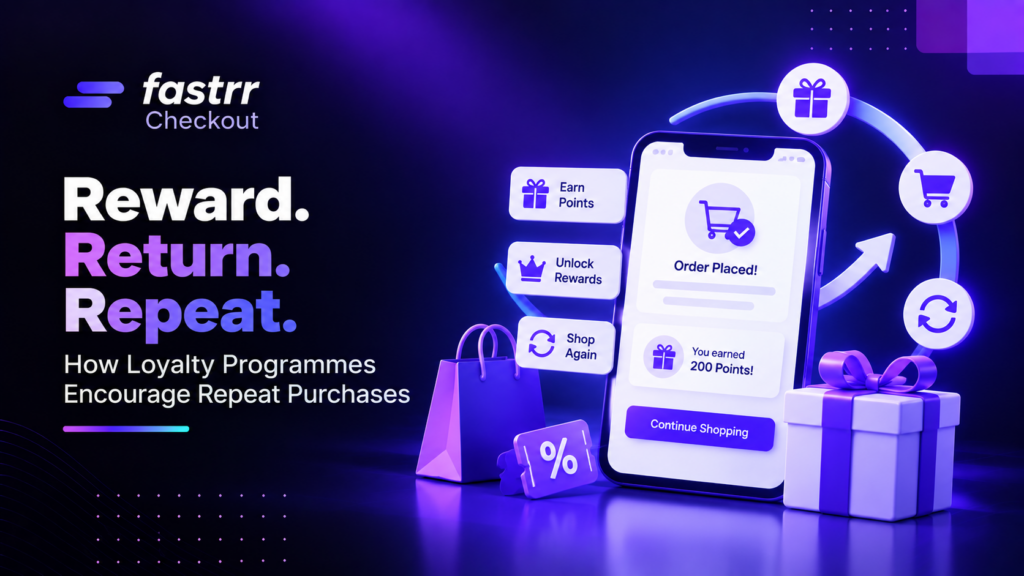
A loyalty programme is a system that rewards customers for continuing to engage with a business. Purchases are a common way to earn rewards, but some programmes may also recognise actions such as referrals, reviews, or other activities.
The basic process is like this:
- Earn: The customer completes an eligible action and receives points, cashback, a discount, or another reward.
- Track: The customer can see what they have earned or how close they are to receiving a benefit.
- Redeem: The customer uses the reward on an eligible future purchase or for another benefit offered by the programme.
For example, you could offer points based on eligible purchases and allow customers to redeem those points against a future order. Another approach could be a tier system where customers unlock different benefits after reaching specified spending or activity levels.
The important part is the connection between the action and the reward. Customers should know what they need to do, what they will receive, and how they can use it.
What Are The Different Types of Loyalty Programmes?
The format you choose should reflect how often your customers buy from you. If customers purchase your products frequently, a points-based programme may work well. If they buy less often, you may want to consider a different reward structure that gives them a reason to return.
Points-Based Programmes
Customers earn points for eligible purchases or actions and can redeem them for specified rewards. This model is relatively easy to explain because customers can see their progress towards a reward.
Tiered Programmes
Customers unlock better rewards as they spend more with your store. For example, you could offer different benefits at silver, gold, and platinum levels, with each level giving customers something extra, such as exclusive offers or early access to sales.
Cashback Programmes
Customers receive cashback or account credit based on eligible purchases. The value can then be used according to the programme’s terms.
Paid Membership Programmes
Customers pay a fee to access a set of benefits. This can work when the benefits are relevant enough for customers to see ongoing value in membership.
Referral Programmes
Existing customers receive a reward for referring new customers who complete an eligible action. This gives your existing customer base another way to engage with your business.
How Can Loyalty Programmes Benefit Businesses and Customers?
For customers, the value is fairly direct. They receive a benefit for continuing to shop with a business. Depending on the programme, that could mean a discount, points towards a future purchase, cashback, or access to selected offers.
For sellers, the benefit goes beyond the reward itself. A loyalty programme can give you another way to engage customers after their first order and encourage them to consider another purchase.
It can also give you useful information about customer behaviour. You may notice that customers who buy one product frequently return for another, or that a particular reward receives more interest than others. These observations can help you review your offers and programme rules.
A loyalty programme can support:
- Repeat purchases: Rewards can give existing customers an additional reason to return.
- Customer engagement: Offers and rewards can keep your store relevant between purchases.
- Customer insights: Purchase and redemption activity can help you understand buying patterns.
- Referrals: Referral rewards can encourage existing customers to introduce new shoppers to your store.
- Targeted offers: Customer activity can help you make future communication more relevant.
There is an important distinction, though. Joining a loyalty programme does not automatically make someone a loyal customer. If earning or redeeming rewards feels confusing, customers may not use the programme at all.
That is why the customer experience around the reward matters as much as the reward itself.
Can fastrr Checkout Make Repeat Purchases Easier for Loyal Customers?
A loyalty programme can give a customer a reason to return, but they still need to get through checkout to use that reward. If the process asks for the same information again or adds unnecessary steps, the customer may drop off before completing the purchase.
fastrr Checkout, a Shiprocket product and part of the India’s first AI‑native growth suite for eCommerce brands – fastrr By Shiprocket, supports one-click checkout, address autofill, and seamless login, helping returning customers complete their purchases without repeatedly entering their details. fastrr Checkout can speed up checkout by up to 70%, reduce return-to-origin cases by up to 30%, and reduce cart abandonment by up to 25%.
The platform also supports post-purchase engagement through Scratch Cards, loyalty rewards, and Shipcoins. These features can offer customers discounts or loyalty points after a purchase, giving them an incentive to return for another order.
This connects the reward with the buying experience. Your loyalty programme gives customers a reason to return, while a faster checkout can make it easier for them to complete their next purchase.
What Should You Consider Before Launching a Loyalty Programme?
A loyalty programme should work for your customers without putting unnecessary pressure on your margins.
Before launching one, consider:
- Purchase frequency: How often do customers normally buy from you?
- Reward value: What can you offer without making the programme difficult to sustain?
- Earning rules: Can customers understand how they earn rewards?
- Redemption: Is it clear when and how rewards can be used?
- Customer segments: Would different customers benefit from different offers?
- Measurement: Which metrics will tell you whether customers are actually engaging with the programme?
It is also worth starting with a manageable structure. You can review customer behaviour after launch and make changes based on what you learn instead of trying to build every possible reward mechanic from day one.
Conclusion
The right loyalty programme is one that gives customers a clear reason to come back and makes the reward easy to use. For you as a seller, that means choosing a format that suits how often your customers buy, keeping the earning and redemption rules simple, and reviewing how customers actually engage with the programme.
The checkout experience matters too. With fastrr Checkout, you can reduce friction when customers return to place another order, helping connect the reward you offer with the purchase that follows.