
How The Hatke Recovered 1,000+ Abandoned Cart Orders With fastrr

- The Hatke, a D2C eCommerce seller, was looking to recover revenue from abandoned carts through real-time voice engagement.
- Standard SMS and email recovery flows couldn’t address last-minute doubts or payment friction quickly enough.
- The brand brought together fastrr Identify, Broadcast, Voice, and Checkout to create an automated cart recovery journey.
- fastrr Voice handled 11,500+ calls, allowing The Hatke to reach shoppers shortly after cart abandonment.
- The recovery journey achieved an 8.1% conversion rate on recovered carts.
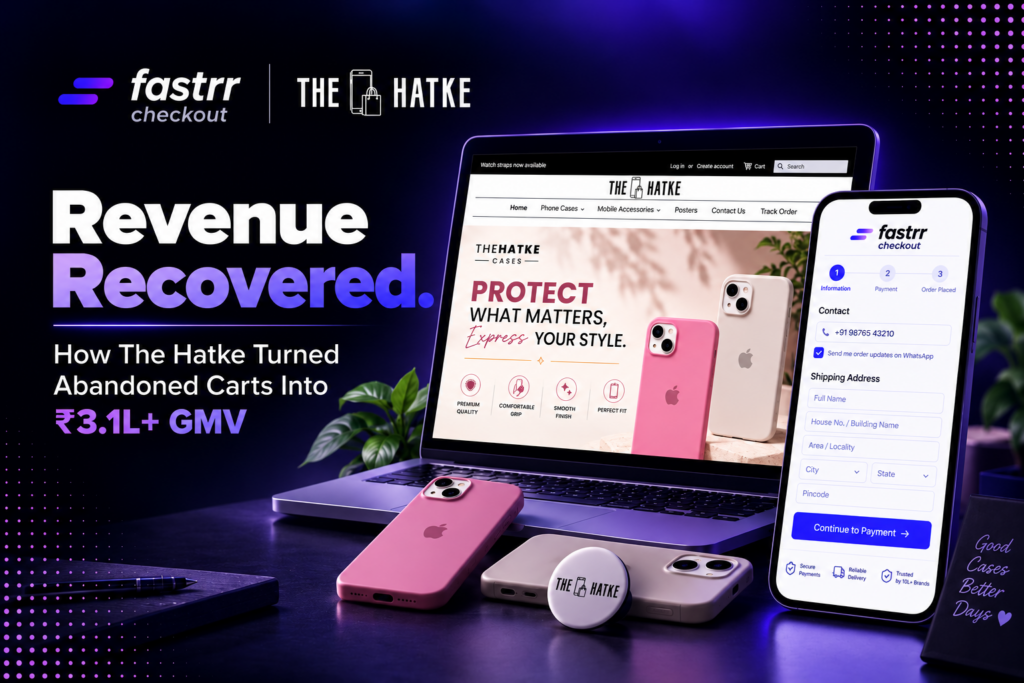
- The Hatke recovered 1,000+ orders, generating ₹3.1L+ in recovered GMV.
Introduction
A shopper adds items to their cart, gets to the payment step, hesitates, and leaves. It is a familiar eCommerce moment, but at The Hatke, a D2C eCommerce brand, enough of those moments were adding up to a measurable gap between buying intent and completed orders. The brand’s existing recovery flows relied on SMS and email, but those follow-ups could arrive after the shopper had already moved on.
The Hatke needed to reach shoppers while that intent was still fresh. Using fastrr’s AI tools, the brand introduced AI Calling to trigger a voice interaction shortly after cart abandonment, giving shoppers a direct way back into the buying journey.
What Was the Challenge?
The Hatke faced these gaps in its cart recovery process:
- Lack of instant support: Shoppers could drop off because of minor doubts or payment friction, but follow-up often came much later, if at all.
- Passive recovery: SMS and email reminders could be ignored, making it harder to reconnect with shoppers who had already shown buying intent.
The core issue was timing. The Hatke needed to shorten the gap between cart abandonment and re-engagement.
How Was the Issue Addressed?
The brand brought several fastrr tools together to create an automated recovery journey:
- fastrr Identify: Connected an anonymous cart drop-off with the shopper’s phone number, making it possible to initiate a follow-up.
- fastrr Broadcast: Used cart behaviour to determine when an automated call should be triggered.
- fastrr Voice: Placed an automated voice call within minutes of abandonment, helping address queries or payment-related concerns.
- fastrr Checkout: Provided a direct path back to the saved cart, reducing the steps needed to complete the purchase.
Together, these tools connected identification, timely outreach, and checkout in one recovery flow.
ALSO READ: How Shesha Ayurveda Achieved 22% Revenue Growth
What Were the Results?
The recovery journey delivered measurable results across outreach, conversion, and recovered sales:
- 11,500+ Calls Handled
The automated system handled more than 11,500 calls, allowing The Hatke to scale its recovery efforts without relying entirely on manual outreach.
- 8.1% Conversion Rate
The workflow achieved an 8.1% conversion rate on recovered carts, turning a share of abandoned shopping journeys into completed purchases.
- 1,000+ Orders and ₹3.1L+ in Recovered GMV
The recovery flow helped The Hatke bring back 1,000+ orders, generating more than ₹3.1L in recovered GMV (Gross Merchandise Value).
What Can eCommerce Sellers Learn From This?
The Hatke’s experience highlights important lessons for sellers looking to improve their cart recovery efforts:
- Reach Shoppers While Intent is Still Fresh
A timely interaction can give shoppers a chance to resolve any doubts before they move on.
- Identify the Shopper Before Starting Recovery
An abandoned cart becomes actionable when there is a way to connect it with a customer and initiate outreach.
- Make the Return Journey Simple
Once a shopper decides to continue, fewer steps between the call and checkout can make the experience smoother.
How Does fastrr Support This Customer Journey?
Each fastrr tool played a specific role in connecting identification, outreach, and checkout:
- fastrr Identify: Helped identify the shopper behind an anonymous cart.
- fastrr Broadcast: Used customer behaviour to find out when an automated call should be triggered.
- fastrr Voice: Handled the voice outreach at scale.
- fastrr Checkout: Gave recovered shoppers a direct route back to purchase.
Conclusion
The Hatke’s results show the value of closing the gap between cart abandonment and follow-up. With fastrr’s connected recovery tools, the brand used timely voice engagement and a simpler route back to checkout to reconnect with shoppers. The outcome was 11,500+ calls, an 8.1% conversion rate, 1,000+ recovered orders, and ₹3.1L+ in recovered GMV.
For D2C sellers, the broader takeaway is that recovery does not have to stop at a reminder message. When identification, timely outreach, and checkout work together, an abandoned cart can become another opportunity to complete the purchase.