

How to Receive International Payments: A Step-by-Step Guide

India’s economic ties with other countries are stronger than ever. This is evident in the eCommerce practices, as Statista indicates retail sales crossed USD 8 billion in 2023. The report showcases that, regardless of where you live, reaching worldwide customers is easier than ever. However, amid the growing opportunities, you might be unsure of how to receive international payments.
If you are starting an eCommerce business and want to know about global payment, you are at the right place. This blog acquaints you with the most trusted channels. It also gives insights into setting up the payment process.
Popular Channels to Accept Global Payments in India
For a long time, traders have relied on traditional bank transfers via the Society for Worldwide Interbank Financial Telecommunication (SWIFT). This is a secure method to connect banks and financial institutions. However, it has certain drawbacks, like slow transactions and high fees. That’s why eCommerce operators are seeking cost-effective and efficient solutions for a smooth payment process.
The most renowned global payment channels are:
PayPal
PayPal is the most renowned and widely accepted payment channel for international transactions. Since the financial company accepts multiple currencies, it is well-suited for eCommerce businesses that operate across different countries.
However, what discourages a few retailers from using PayPal is its high currency conversion charges and transaction fees. This makes it a less feasible option for low-margin businesses. The platform is suited for companies that handle a high volume of sales with substantial profit margins.
Payoneer
Payoneer is a financial transactional company that helps eCommerce owners withdraw their payments at competitive foreign exchange rates. It can receive payments from over 190 countries, ensuring that your cross-border transactions are never interrupted. This seamlessness comes with a 2% fee above the introductory FX rate and additional charges from the customer.
You can create a local receiving account where the world can pay you quickly and safely. It’s just like receiving payment at your local bank.
Bank
The bank has always been a dependable option for handling international payments. Its SWIFT network provides a secure transfer from international to Indian accounts. This ensures that there’s always a trackable trail, especially important when a large sum of money is involved.
The entire process takes 3 to 5 business days. It involves processing charges, such as foreign exchange (FX) markups, SWIFT fees, and compliance fees. The high costs and delayed processing time make this option unfeasible for small and frequent transactions. It is suitable for companies that look for safety over speed.
International Card Payments
International payment gateways are quickly becoming the most popular method for transactions among eCommerce businesses. The gateway acts as a middleman between the sellers and buyers to maintain efficiency and security.
When the customer makes a payment, the payment channel captures the information and transmits it to the acquiring bank. Then, these details are further communicated to the issuing bank for validation. Once the information is confirmed, the payment is authorised. That’s when the payment gateway passes the information to the merchant, assuring a successful transaction.
Common Roadblocks in Receiving Global Payments
Although international payments are becoming common every day, there are still a few obstructions you need to consider.
Long Processing Time and Delays
In comparison to regular domestic payments, international transactions require more time and attention. Consider a period of 1 to 7 business days for successful settlement. Since there is a lack of a unified global payment system, you cannot expect quicker fulfillment. This can hinder your financial planning and regular cash flow.
Compliance Regulations
When international transactions are involved, stringent compliance is expected. You need to adhere to anti-money laundering laws and prove that your money doesn’t facilitate terrorist activities. Your business should also adhere to FIRA and Purpose Codes, which are essential in categorising different payment modes. Such complexities can delay the process and hamper eCommerce operations.
Hidden Fees
International payments often include high fees, ultimately hampering your final receivable amount. Banks charge FX markups, transfer fees, and subsequent hidden fees. That’s why, before choosing a payment channel, you should compare the costs and exchange rates. This will help optimise your pricing strategy and ensure seamless international operations.
Payment Failure
Banks often rely on outdated systems that are incapable of handling international payments. Due to such negligence, problems like non-compliance with documents or incorrect detail entry occur. This leads to payment failure and increased cost. However, modern payment gateways integrate advanced technology that minimises errors and improves accuracy. In turn, your international payment process becomes smoother and simpler.
Stepwise Guide to Setting Up Global Payments
Launching your international eCommerce business? Here’s how you can set up a smooth global transaction channel:
Step 1: Select a Payment Gateway
Consider the following factors to choose your transaction partner:
● Transaction fees
● Accepted modes of payment
● Global reach
● Security
● Customer support
After careful evaluation, choose the platform that best fits your requirements.
Step 2. Establish Your Merchant Account
The next step is to set up a merchant account on the channel. Add your business details and complete the KYC. Once your account is verified, you are good to go.
Step 3: Adjust Currency and Language Settings
Select the currency you are dealing with. Additionally, consider enabling the automatic language detection feature to provide a seamless experience for your customers.
Step 4: Integrate the Gateway to Your Website
Add the payment channel to your eCommerce platform (WordPress or self-designed website). Since every gateway has its unique instructions, please refer to the documentation for a complete understanding.
Step 5: Test and Launch
Test the payment gateway before launching it for the customers. Ensure that the process is error-free and that the transactions can be processed smoothly for every international customer.
Step 6: Monitor the Performance
Once your payment gateway is live, continue to track its performance. Ensure that everything is functioning smoothly. Identify any missed opportunities or overlooked issues. Resolve them instantly so your customers don’t face any issues.
How Shiprocket Checkout Enhances Payment Experience
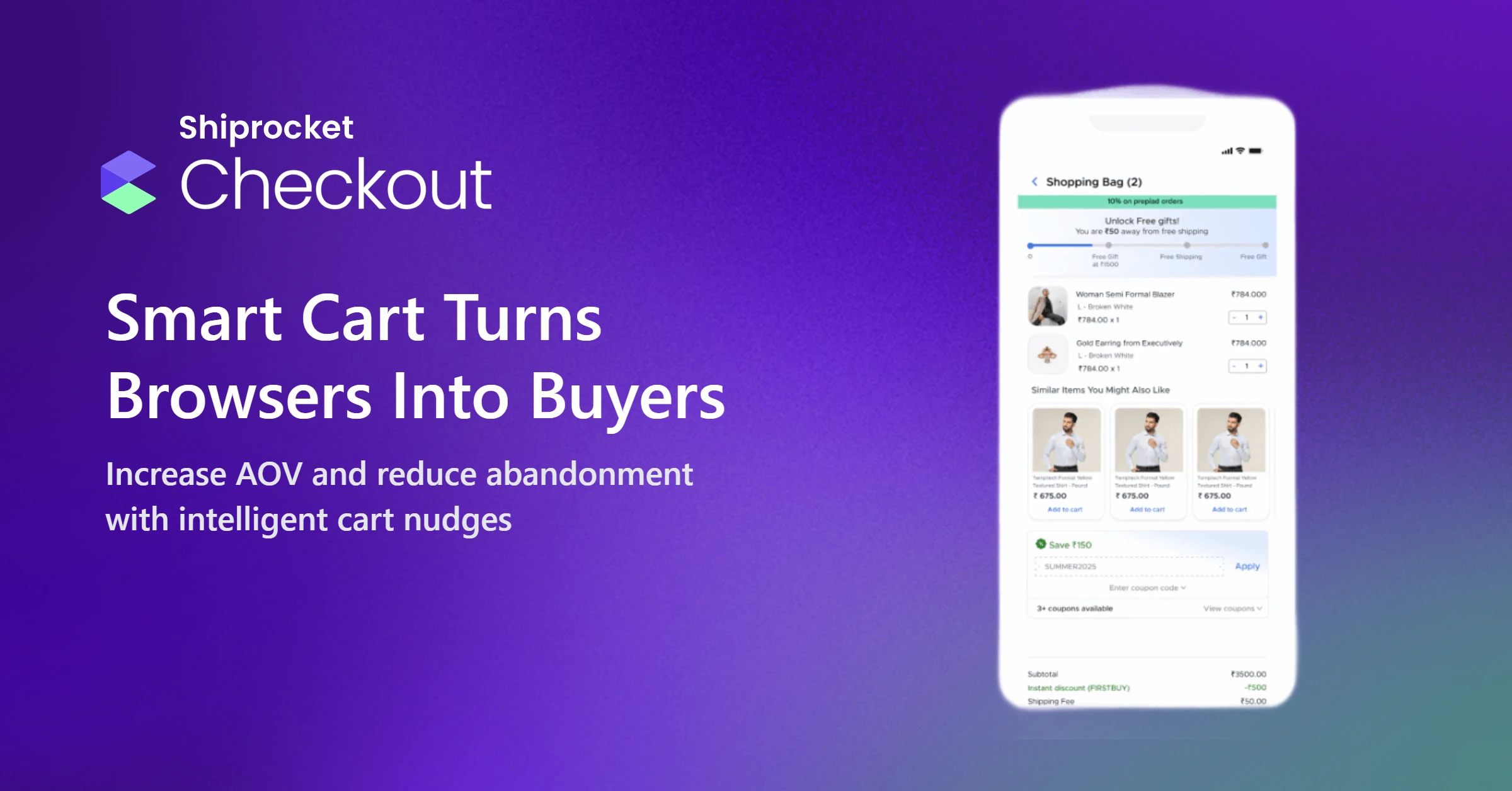
International payments resulting in slower checkouts and increased card abandonments? Partner with Shiprocket Checkout, a platform that streamlines the process for you and your customers. Here’s how we help improve the overall shopping experience for everyone:
● Fast Checkout: The checkout time is substantially reduced with features like quick logins, autofill details, and instant cart customisation.
● Minimum Card Abandonment: Transactions are accompanied by personalised offers and reminders to bring back the customers.
● Improved Conversations: We offer an efficient shopping experience that urges customers to complete their purchase.
● Multiple Payment Options: Several payment modes like credit and debit cards, net banking, UPI, and wallet are supported for customers’ convenience.
Conclusion
International transactions might sound risky. However, with the right payment partner by your side, it becomes a smooth ride. The key is to understand how the foreign payment method works and choose a dependable gateway platform. It should offer maximum advantages at minimum fees. For emerging eCommerce companies in India, understanding how to receive international payments does more than fulfill current business needs. It also facilitates long-term success. So, choose your partner wisely.