
15 Brand Collaboration Examples That Created Hype, Sales & Brand Growth

- Brand collaborations help businesses reach new audiences while reducing individual marketing costs.
- Product collaborations, creator partnerships, sponsorships and co-branded campaigns are among the most popular collaboration formats.
- The best partnerships usually happen between brands that share similar audiences without directly competing.
- Limited-edition collaborations often create hype, urgency and faster sellouts because customers respond strongly to exclusivity.
- Partnerships like Nike & Apple, Supreme & Louis Vuitton and Starbucks & Tata Group show how collaborations can reshape industries and strengthen brand positioning.
- After collaborations drive traffic, a smooth checkout experience becomes important for reducing cart abandonment and improving conversions.
Running a growing business today is expensive. Online ads cost more, social media reach is unpredictable and competing against bigger brands with larger marketing budgets is difficult. Even good products often struggle to get noticed.
This is one reason brand collaborations are growing so quickly. Instead of marketing alone, businesses partner with another brand, creator or local business to reach new customers together. It also works because people trust recommendations more than traditional ads. Studies show 92% of consumers trust recommendations from people they know. That is why collaborations, creator partnerships and co-branded campaigns are helping businesses build visibility, trust and sales without depending only on expensive advertising.
What Is a Brand Collaboration?
Brand collaboration is when two businesses work together on a product, campaign, service or event to reach larger audiences rather than marketing separately. Both brands combine their audience, resources and visibility to increase awareness, engagement and sales while sharing marketing efforts and costs.
For example, a footwear brand may collaborate with a clothing business to launch a limited-edition collection. Both brands promote the launch to their own audiences, helping each business reach new customers and gain visibility faster.
When collaborations work well, both businesses benefit from stronger brand exposure, customer trust and access to new market segments without competing directly.
Are There Multiple Types of Brand Collabs?
Yes. Businesses use different types of brand collaborations depending on their goals, audience and marketing strategy.
- Product Collaborations: Two brands create a new product together. For example, a clothing brand partners with a shoe company for a limited-edition collection. These collaborations often create hype because customers see them as exclusive.
- Marketing Collaborations: Two brands run a campaign together and promote it across social media, email and ads. Both brands share marketing costs while reaching larger audiences.
- Sponsorship Partnerships: One brand sponsors another brand’s event, launch or campaign. The sponsor gains visibility, while the other business receives funding or promotional support.
- Co-Branded Partnerships: Both brand names appear on the same product or service. This works best when both businesses target similar customers without directly competing with each other.
- Content Collaborations: Brands or creators produce videos, podcasts, blogs or social media content together. Both audiences get introduced to the other brand or creator.
Which are the Top 15 Brand Collaboration Examples?
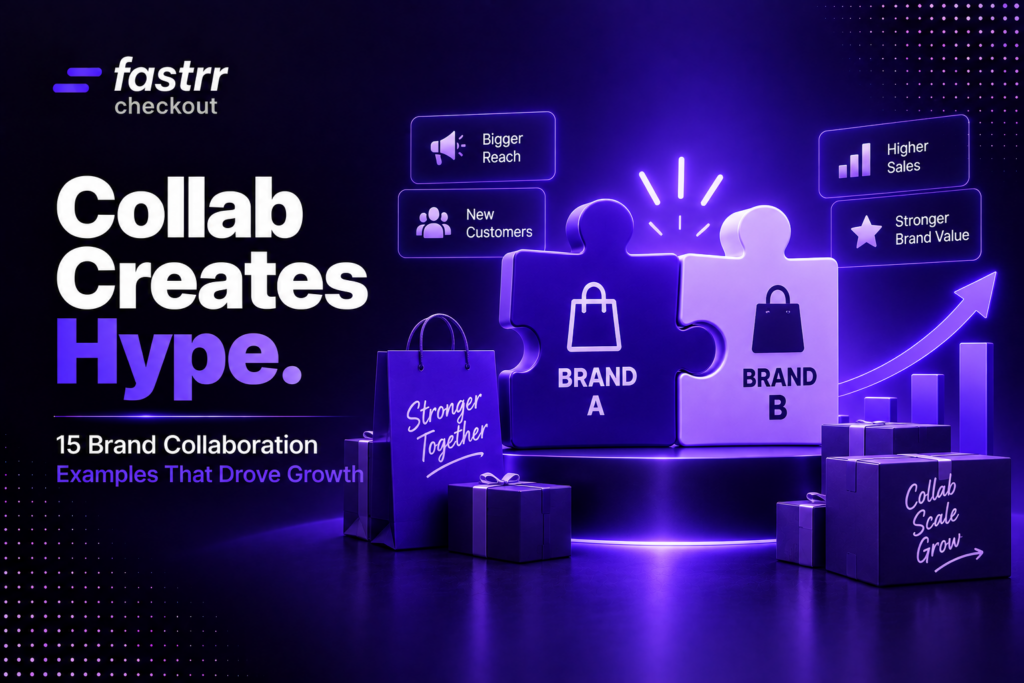
Some collaborations create hype, while others help brands enter new markets, reach younger audiences or strengthen their positioning. Here are some of the most successful brand collaboration examples and why they worked:
- Nike & Apple
Nike and Apple partnered in 2006 to combine fitness with technology. Through Nike+iPod, runners could track pace and distance using Apple devices. The collaboration later expanded into the Apple Watch Nike Edition and Nike Run Club app, helping both brands strengthen their position in fitness and digital experiences.
- Supreme & Louis Vuitton
In 2017, Supreme and Louis Vuitton combined luxury fashion with streetwear culture. Products sold out immediately, resale prices surged and the collaboration changed how luxury brands approached younger audiences and streetwear partnerships.
- Heinz & Absolut
Heinz and Absolut launched a limited-edition vodka pasta sauce while vodka spaghetti recipes were trending online. The campaign generated massive social media attention, strong sales growth and quick product sellouts.
- SKIMS & Fendi
Fendi partnered with Kim Kardashian’s SKIMS in 2021 to combine luxury fashion with modern shapewear. The collaboration generated significant pre-launch demand and helped both brands reach younger, fashion-focused consumers.
- Starbucks & Tata Group
Starbucks entered India through a joint venture with the Tata Group in 2012. Tata managed local sourcing, logistics and market expertise, while Starbucks brought its global coffee brand and retail experience. The partnership helped Starbucks expand successfully in India.
- Adidas & Arizona Iced Tea
Adidas created sneakers inspired by Arizona Iced Tea’s 99-cent cans and launched them at the same price. The unusual pricing strategy created massive hype, long queues and strong resale demand online.
- GoPro & Red Bull
GoPro and Red Bull built a long-term partnership around extreme sports content. GoPro cameras captured Red Bull events, including the Red Bull Stratos space jump, helping both brands become strongly associated with adventure and action sports.
- Starbucks & Spotify
Spotify and Starbucks partnered to integrate music into the café experience. Customers could save songs playing in Starbucks stores directly to Spotify, while Starbucks employees curated playlists for customers.
- Target & Lilly Pulitzer
Target collaborated with Lilly Pulitzer to offer affordable designer-inspired fashion and home products. The collection created huge demand, long store queues and rapid online sellouts.
- Crocs & Balenciaga
Balenciaga redesigned Crocs with platform styles and luxury pricing. The unusual collaboration went viral online, sparking widespread discussion, memes and global visibility for both brands.
- LEGO & BTS
LEGO released a BTS-inspired set based on the band’s “Dynamite” music video. The collaboration combined K-pop fandom with collectable products, helping LEGO reach younger audiences and BTS expand into new merchandise categories.
- H&M & Balmain
H&M partnered with Balmain to make luxury-inspired fashion more affordable. The collection generated significant social media attention and sold out worldwide quickly, helping both brands reach new customer segments.
- Coca-Cola & McDonald’s
Coca-Cola and McDonald’s have maintained one of the longest-running brand partnerships globally. The collaboration includes beverage supply, meal bundling, customised fountain systems and co-marketing campaigns.
- Gucci & Disney
Gucci launched luxury collections featuring Disney characters like Mickey Mouse. The collaboration blended nostalgia with luxury fashion, attracting younger consumers and generating strong global demand.
- Cadbury & Oreo
Cadbury and Oreo combined their brands to launch co-branded snack products. The partnership helped both brands expand into new snack categories while leveraging their existing customer bases.
How Can You Launch Your Own Brand Collaboration?
A successful brand collaboration works when both businesses benefit from the partnership through visibility, engagement, sales or customer growth. Here’s how businesses can launch a collaboration effectively:
- Find the Right Brand Partner
Look for brands with a similar audience who don’t directly compete with you. The partnership should create value for both businesses and feel relevant to customers.
- Decide What You Both Want
Discuss the goal before planning the collaboration. This could include brand awareness, product launches, higher sales, audience growth or stronger engagement. Both sides should clearly define what they contribute.
- Create a Strong Pitch
Avoid generic partnership messages. Explain why the collaboration makes sense, how both brands benefit and what audience or engagement value you bring.
- Plan the Collaboration Together
Decide what you are launching, where you will promote it, launch timelines, content requirements, responsibilities, revenue sharing and approvals before going live.
- Launch Across Multiple Channels
Promote collaboration through social media, email marketing, websites, influencers, events and limited-edition product drops to maximise visibility and momentum.
- Track Performance Data
Measure website traffic, sales, engagement, new customers, promo code usage and campaign performance after launch. The data helps improve future collaborations and marketing strategies.
Turn Brand Collaboration Traffic Into Completed Orders with fastrr Checkout
Brand collaborations can create sudden spikes in traffic, bringing new shoppers to your store who may be unfamiliar with your brand. A complicated checkout can quickly turn that interest into abandoned carts, especially when shoppers are discovering you for the first time.
fastrr Checkout helps brands create a faster, more personalised checkout experience with one-click login, address prefill, Smart Cart, multiple payment options, prepaid nudges, real-time EDD and personalised offers. Its checkout experience can be integrated with Shopify, WooCommerce, Magento and custom tech stacks.
For brands receiving high volumes of new or first-time shoppers through collaborations, fastrr also helps manage COD and RTO risk with advanced RTO prediction, intelligent COD controls and payment personalisation. This allows brands to focus on converting the attention generated by a collaboration into completed orders while building a smoother experience for new customers.
Conclusion
Brand collabs work because they help businesses grow faster through shared audiences, trust and visibility. For growing brands with limited marketing budgets, the right partnership can create awareness and drive sales that may otherwise take years to build on their own.
But successful collaborations are not only about creating hype. They work best when both brands genuinely fit together and offer something valuable to customers. Even a small collaboration with a creator, local business or complementary brand can help businesses reach new customers and strengthen credibility.
As online competition continues growing, collaborations are becoming a practical growth strategy for brands that want to stay visible, relevant and easier to discover.