

Optimizing eCommerce Website Pages: Driving Higher Sales and Conversions

Running a website today involves more than simply displaying goods and waiting for orders to come in. Shoppers expect speed, clarity, and a smooth experience from start to finish. For business owners in smaller cities looking to grow online, creating a dependable shopping journey is key to building customer trust and driving repeat sales.
Even small things, such as how quickly a page loads or how easily a product can be found, can decide whether someone makes a purchase or leaves. For instance, eCommerce sites that load within 1 second have an average conversion rate of around 3.05%, which drops to 0.67%when load time increases to 4 seconds. The research also shows that conversion rates decrease by roughly 0.3% for every extra second of delay.
That’s why optimising your eCommerce website pages isn’t just about design; it’s about building a business that feels reliable and easy to shop from. When each page works together seamlessly, it turns visitors into loyal customers and helps your business grow steadily online.
What Are eCommerce Website Pages?
Think of your eCommerce site as your digital shop. Instead of shelves and counters, you have website pages that display your products, answer questions, and help customers complete their purchases. eCommerce website pages are the different section of your online store that helps customers move from browsing to buying.
Each page has a purpose. For instance, the homepage draws people in, product pages show what’s on offer, and the cart or checkout page makes buying easy and fast. Everything works together to run your eCommerce website easily.
What are the Essentials of eCommerce Website Pages?
Here are the key elements every eCommerce website page should include:
- Easy Navigation: A clean menu and simple layout help customers browse smoothly. Categorise products into clear groups to make finding items easier.
- Search Bar: A visible, responsive search option lets shoppers quickly locate what they need without unnecessary scrolling.
- Secure Payment Gateways: Offer multiple secure payment methods to build trust and ensure smooth transactions.
- Product Reviews and Ratings: Real customer feedback helps buyers make informed choices by viewing others’ experiences and images.
- Customer Accounts: Allow users to save details, view past orders, and track deliveries for a convenient shopping experience.
- SEO Optimisation: Use well-structured pages and relevant keywords to boost visibility and attract organic traffic.
- Fast Loading Speed: A fast-loading site keeps shoppers engaged and reduces the chances of them leaving mid-purchase.
- Clear CTAs: Buttons like “Add to Cart” or “Buy Now” should be easy to see and understand, guiding customers toward the next step.
- Transparent Policies: Clearly state return, refund, and shipping policies to build confidence and reduce hesitation.
- High-Quality Images and Descriptions: Provide clear, accurate visuals and details so customers can make informed buying decisions.
What are the Different Types of eCommerce Website Pages?
Every eCommerce website needs a few essential pages that make shopping simple, smooth, and trustworthy:
- Homepage
The home page is where your online store makes its first impression. It is like the front window of a physical shop; it draws consumers in. You need to have a clear layout, easy navigation, and eye-catching banners or offers. This is to help visitors understand what you sell and where to go next.
- Category Pages
These pages group products under relevant sections and categories, making it easier for shoppers to browse. A well-organised layout with filters for price, size, or brand helps customers find what they need without having to scroll endlessly.
- Product Pages
This is where customers make buying decisions. Each product page should feature the item with high-quality images, concise yet clear descriptions, and transparent pricing. Here, you can also add customer reviews and details, such as size and colour options.
- Shipping Cart Page
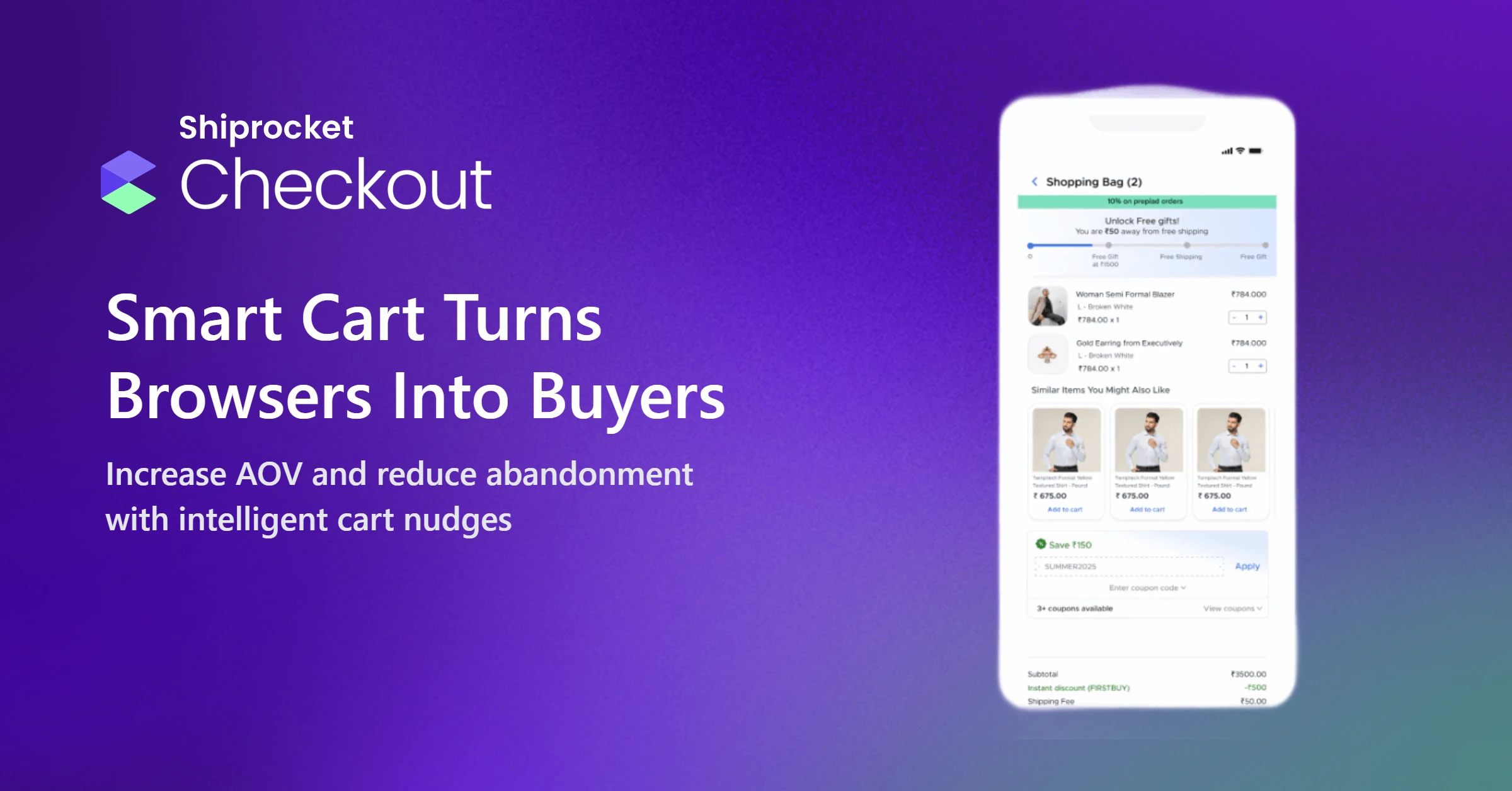
The shopping page is where customers review the items they have selected. It should be simple to edit, allowing quantity change or product removal without confusion. A simple, clutter-free cart page keeps shoppers from leaving before they finish their purchase.
- Checkout Page
This is the most crucial step in your eCommerce website. A smooth, secure checkout page makes payments fast and user-friendly. Keep the process short with clear steps for entering shipping and payment details.
- User Account Pages
These pages make shopping more personal. Customers can track orders, manage saved addresses, and view past purchases. A simple dashboard can help your customers navigate your website.
- Contact and Support Pages
Every shopper needs reassurance. A clear contact page should contain FAQs, return policies, and support details. It can help you and your customers resolve queries easily,, making them feel secure about their purchase.
- About Us Page
This page tells your story. Sharing how your business started and what you stand for helps build a personal connection with shoppers. It can help turn first-time visitors into loyal customers.
- Campaign Landing Page (CLP)
It is a page designed to highlight a specific offer, product, or event, driving visitors toward a clear action, such as making a purchase or signing up.
What are the Best Practices for eCommerce Website Pages?
Here are some of the best practices to make that happen:
- Design with the Shopper in Mind: A clean, well-structured layout helps shoppers focus on products without feeling overwhelmed. Keep colours, fonts, and branding consistent across all pages for a polished and professional appearance that enhances the browsing experience.
- Tell a Story Through Your Homepage: Your homepage is your digital storefront. It should clearly communicate your brand’s identity while guiding shoppers to key products or offers. Use simple visuals, banners, and featured items to draw visitors in without clutter.
- Make Product Pages Stand Out: Each product page should persuade visitors to buy with sharp images, clear and concise descriptions, and social proof through ratings and reviews. Add comparison tables or “related products” sections to encourage further exploration.
- Streamline the Checkout Experience: The checkout process should be quick and easy. Eliminate unnecessary fields, allow guest checkout, display total costs clearly, and offer secure payment options. A smooth and transparent process reduces cart abandonment.
- Personalise Your Website Page: Use browsing data to show relevant offers, exclusive discounts, or gentle reminders for abandoned carts. Personalisation makes customers feel valued and increases engagement.
- Make It Accessible: With most shoppers browsing on their phones, your site must be mobile-friendly. Ensure fonts, buttons, and images adjust smoothly to different screens and that your site is easy to use for everyone, including people with disabilities.
- Build Trust Through Transparency: Be upfront about shipping costs, delivery timelines, and return policies. Display security badges, SSL certificates, and payment trust icons prominently to reassure shoppers.
- Track, Test, and Improve: Regularly monitor page performance and identify where visitors drop off. Use A/B testing for headlines, buttons, and layouts. Data-driven adjustments can significantly boost conversion rates and user satisfaction.
Reduce Cart Abandonment with Shiprocket Checkout
Cart abandonment can be frustrating, especially when a buyer is just a click away from completing the purchase. Most shoppers drop off because of long checkout forms, hidden charges, or limited payment choices. Shiprocket Checkout can help you streamline this process by making it smooth and effortless. It simplifies the entire process by remembering customers’ details, auto-filling addresses, and offering quick one-click payments. The platform also features an expected delivery date, which keeps your customers updated on the order’s status, building trust and reducing hesitation.
And with features like smart coupons and COD control, it’s easier to convert more cash-on-delivery orders into prepaid ones. By removing all these extras and making checkouts faster, Shiprocket Checkout helps you keep customers engaged, and those abandoned carts finally start turning into successful sales.
Conclusion
Building a great eCommerce website goes beyond showcasing products; it’s about crafting an experience that earns trust and keeps customers coming back. Every click, scroll, and checkout moment shapes how shoppers perceive your brand.
If your website feels simple, fast, and secure, customers are more likely to stay and buy. Optimising pages, improving navigation, and refining the checkout flow may seem like small steps, but together they build lasting customer loyalty.
Treat your website like a living business asset; one that grows with care, testing, and updates. When you prioritise user experience, your store doesn’t just sell products; it builds relationships that drive long-term growth.
Poor navigation, unclear CTAs, and cluttered layouts confuse shoppers and lower conversions. Always design with the customer’s browsing habits in mind.
A blog improves SEO, builds trust, and keeps shoppers engaged with helpful tips, guides, and product stories that encourage repeat visits.
Track bounce rate, session time, cart abandonment, and conversion rates to understand user behaviour and spot areas for improvement.
Yes, highlighting eco-friendly packaging, ethical sourcing, or sustainable materials appeals to conscious consumers and builds brand loyalty.
Use order confirmation or tracking pages to thank buyers, upsell products, share loyalty rewards, or collect quick reviews for better engagement.